
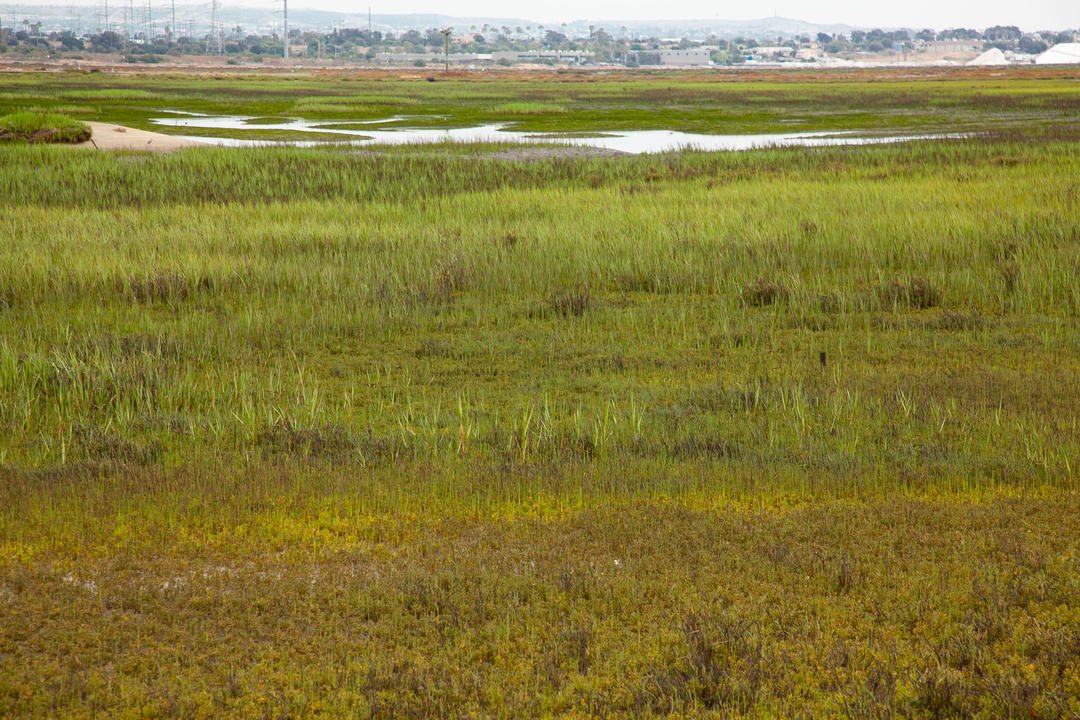
The Port of San Diego operates as an environmental steward for the San Diego Bay
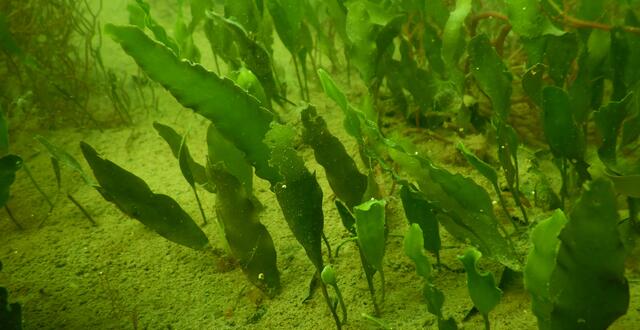
As an environmental champion for the San Diego Bay and surrounding tidelands, the Port is responsible for contributing to the region’s prosperity while protecting and enhancing the bay’s natural resources. One of the Port’s strategic goals is for “A Port with a healthy and sustainable bay and its environment.” Through its Environmental Conservation department, the Port oversees the protection, conservation and enhancement of the bay’s natural resources, including management of endangered species and sensitive wetland habitats.
Mission:
To conserve and enhance natural resources in balance with the Port’s trustee responsibilities for commerce, navigation, fisheries and recreation by expanding native habitats and ensuring regulatory compliance through sound resource management.
Vision:
To advance a thriving waterfront that is sustainable and prosperous while enhancing the quality of the natural environment for present and future generations.
The Environmental Conservation department operates within the following core areas:
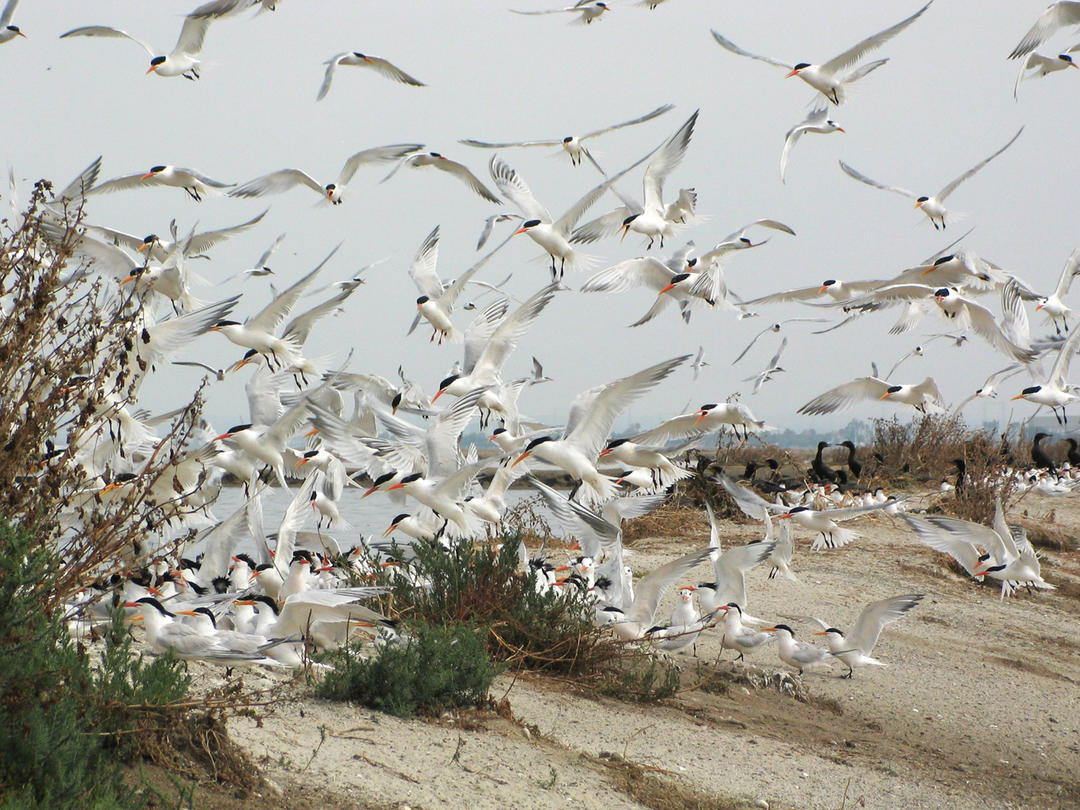
Natural Resources Management
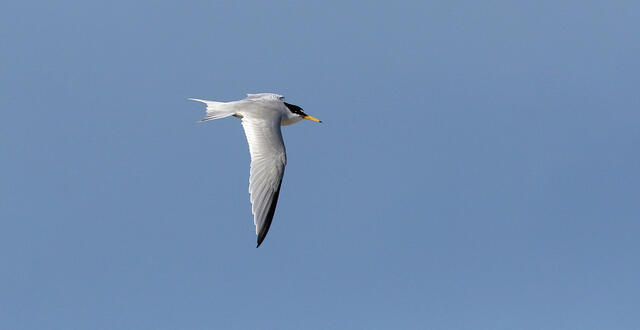
- Over 300 species of marine and coastal birds
- Over 640 species of marine invertebrates
- Over 100 species of marine fishes
- 11 threatened or endangered species and 50 special status species
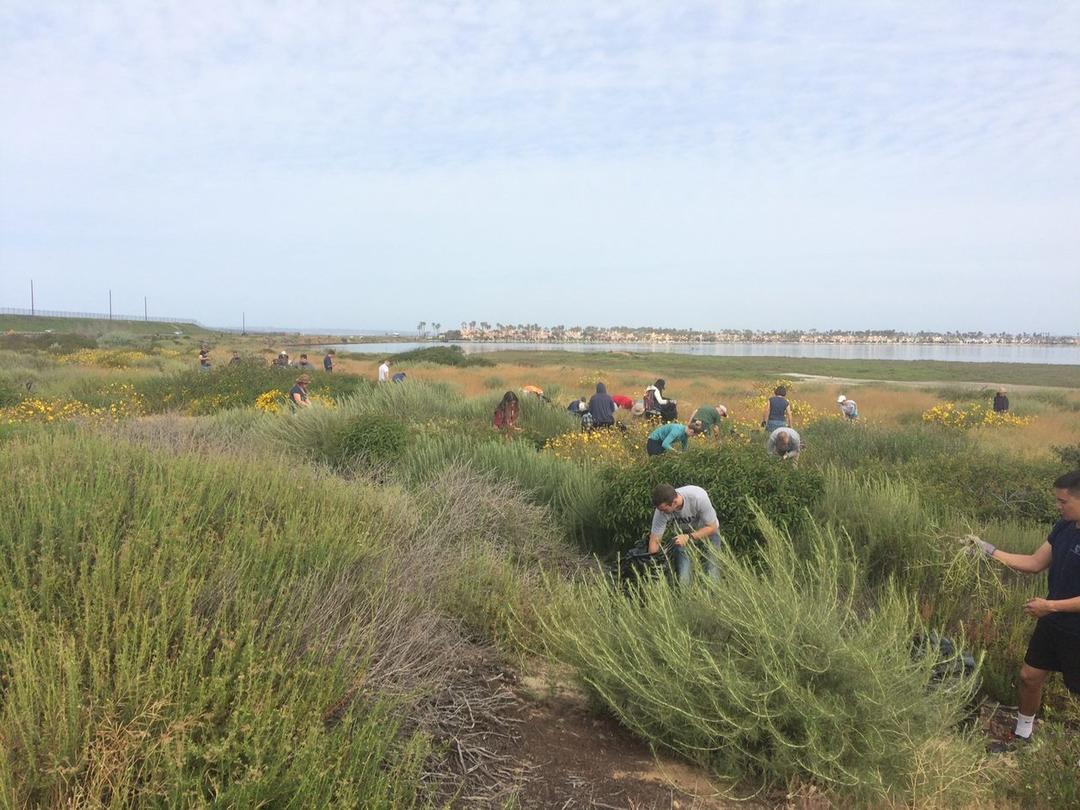
Environmental Education & Community Outreach
- Support for numerous diverse environmental education programs
- Over 500,000 students reached
- Numerous volunteer efforts
- Fellowships and Internships
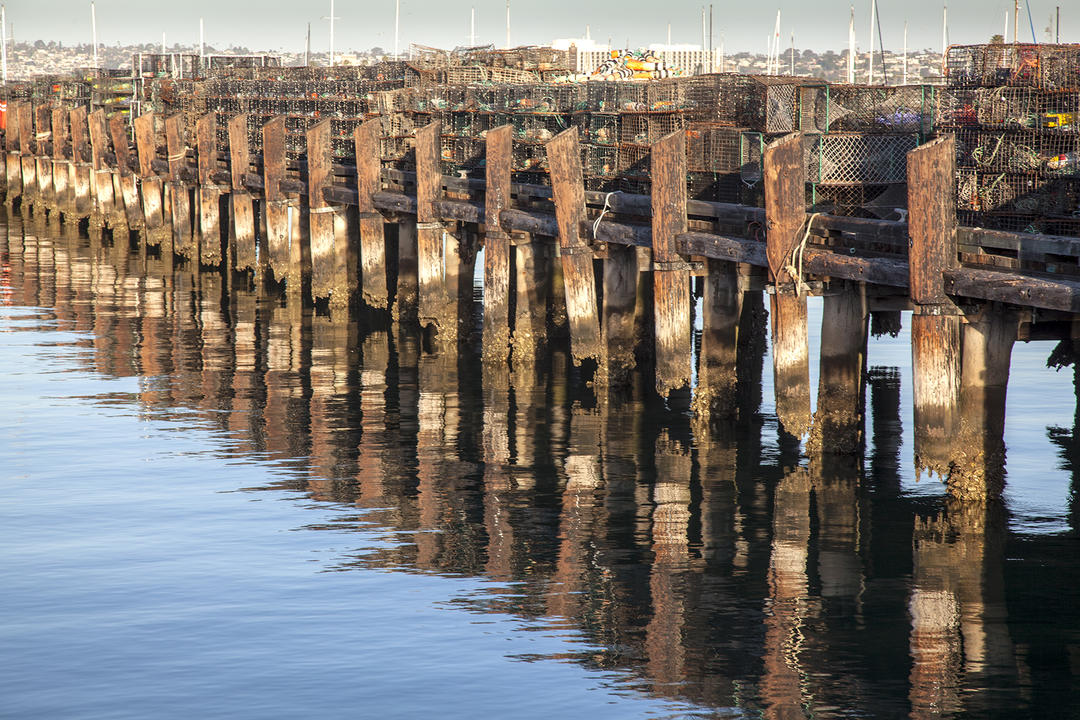
Protection, Restoration & Enhancement
- Permitting & Guidance
- San Diego Bay Integrated Natural Resources Management Plan
- Chula Vista Bayfront Natural Resources Management Plan
- Advisory Groups
- Tijuana River Valley Pollution Crisis

What's Happening at the Port?
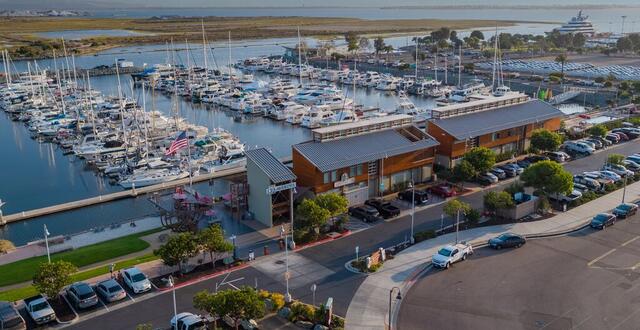
Waterfront Development
The National City Bayfront is made up of 273 acres of waterfront land and 167 acres of water and includes includes Pepper Park with a public boat launch and a fishing pier. It also includes a portion of the Bayshore Bikeway, an aquatic center, many…
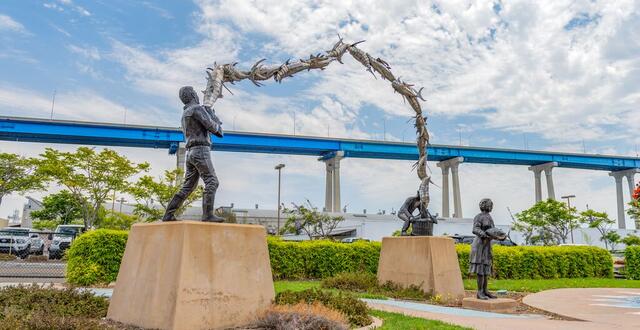
The Port of San Diego is working with the community to inform the design of the next phase of improvements to its park in Barrio Logan, specifically the southeastern waterfront area, as part of ongoing efforts to enhance the community experience…
The Port of San Diego and the City of Chula Vista are working together to create new public parks and recreational adventures, improve the natural habitat, offer new dining and shopping options, provide a world-class hotel and convention center, and…