
Port of San Diego Finds New Patches of Invasive Seaweed Caulerpa
Contact: Gabriella Rodriguez, 619.904.2137, grodriguez@portofsandiego.org
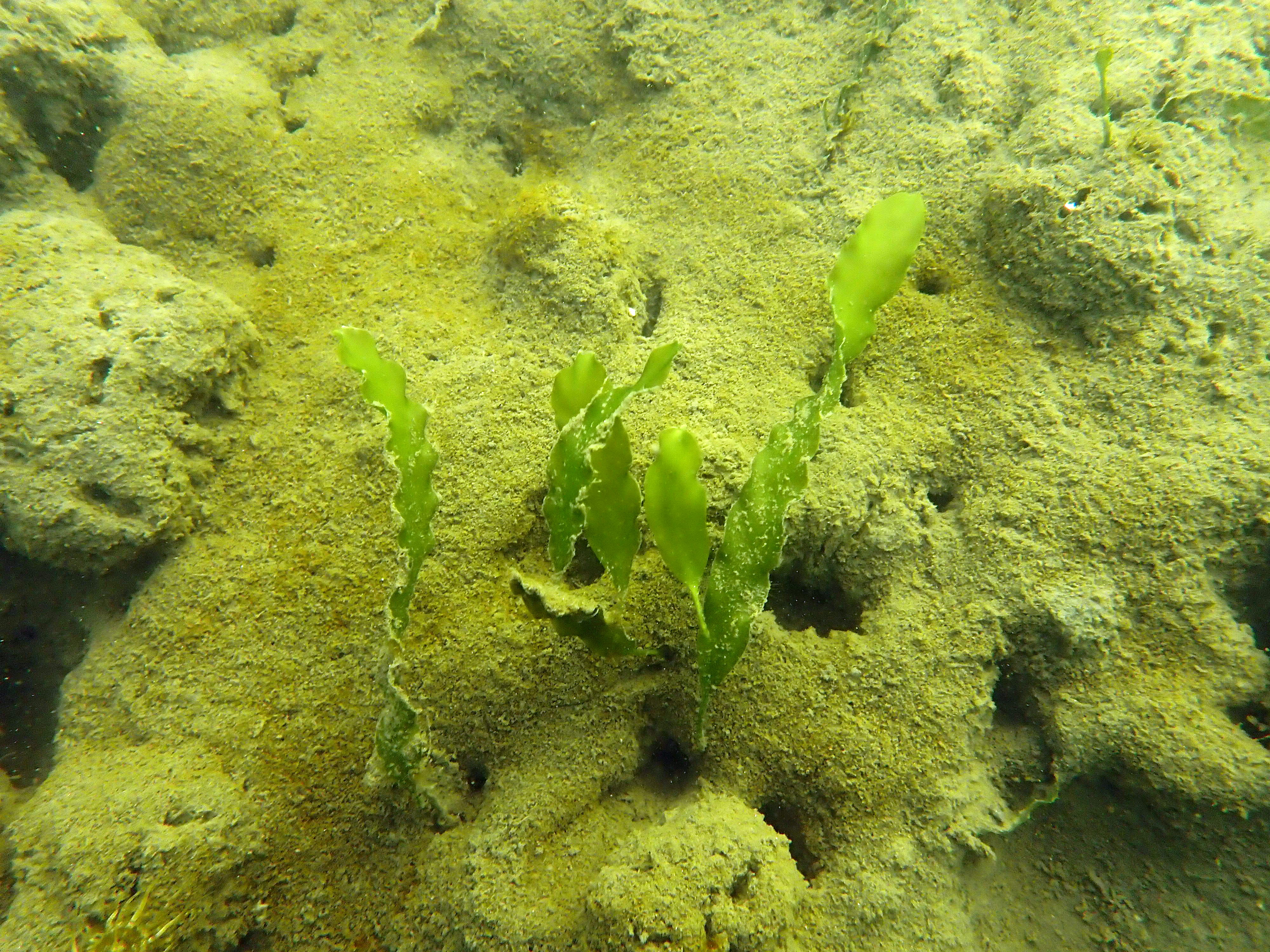
During ongoing monitoring efforts in San Diego Bay, the Port of San Diego recently identified a new 32-square-foot patch of the invasive alga Caulerpa near the south channel entrance to the Coronado Cays. The patch was discovered while divers were surveying a previously uninspected area as part of the bay's invasive species monitoring program. Biological consultants are in the process of treating this new patch and will conduct additional surveys nearby to determine whether any other patches are present.
Caulerpa is a fast-growing tropical alga that can rapidly spread when small fragments break off and are carried by tides, boats and fishing activity. While it is not harmful to people, it can quickly overtake native habitats, such as eelgrass, and threaten important fish and other wildlife throughout San Diego Bay. Early detection and aggressive management are critical to preventing the spread of invasive species and protecting the bay's ecological health.
Protecting eelgrass habitat remains a top priority for the Port. San Diego Bay contains nearly 2,600 acres of eelgrass, including about 1,900 acres in the South Bay. Eelgrass provides food and shelter for a wide variety of marine life, including threatened East Pacific green sea turtles, and improves water quality and helps store carbon.
As part of the fight against Caulerpa, the Board of Port Commissioners renewed its local emergency declaration related to the invasive alga during its November 17, 2026 meeting, marking the Board’s 26th renewal of the emergency declaration. The declaration was first adopted on November 14, 2023, after Caulerpa was discovered in the Coronado Cays in September 2023 during a routine dive survey associated with a dock replacement project. An additional patch was later found within the San Diego Bay National Wildlife Refuge. To date, approximately 3.7 acres of Caulerpa have been identified throughout San Diego Bay.
Divers have covered or are in the process of covering all known patches of Caulerpa within the Port and Refuge’s jurisdiction with tarps, which block sunlight, oxygen and water circulation. The tarp treatment method has been used to successfully eradicate Caulerpa in previous infestations in Agua Hedionda Lagoon and Huntington Harbor.
The Port continues to work closely with the Southern California Caulerpa Action Team, a coalition of state and federal agencies that advises on management and eradication methods to prevent further spread. Under established eradication protocols, two consecutive years of monitoring without any new discoveries are required before the species can be declared eradicated.
To date, more than $3.2 million from local, state and federal sources has been committed to surveying and treating the infestation. Maintaining the emergency declaration helps ensure continued eligibility for critical funding.
The most likely source of the infestation is the release of aquarium contents into the bay. Because of the environmental risk, it is illegal in California to possess, sell or transport any Caulerpa species. Violations can result in fines ranging from $500 to $10,000 per incident.
If you have or sell saltwater aquariums:
-
DO NOT dump any aquarium species into California waters or pour the contents down storm drains or into sewer systems.
-
BLEACH aquarium water (1/3 cup of bleach per gallon of water for 10 minutes) before dumping bleached aquarium water into a household drain that will lead to a treated sewer system.
-
DO NOT purchase, share or sell Caulerpa.
-
DO NOT use Caulerpa in your aquarium.
-
FREEZE any suspected Caulerpa and attached substrates for at least 48 hours before disposing it in the garbage.
Boaters, kayakers, swimmers and divers are also asked to avoid infested areas when possible and to gently pass through at high tide if avoidance is not feasible. Anyone who spots suspected Caulerpa is encouraged to report it to the California Department of Fish and Wildlife at wildlife.ca.gov/Conservation/Invasives/Species/Caulerpa.
ABOUT THE PORT OF SAN DIEGO
The Port of San Diego serves the people of California as a specially created district, balancing multiple uses on 34 miles along San Diego Bay spanning five cities. Collecting no tax dollars, the Port manages a diverse portfolio to generate revenues that support vital public services and amenities.
The Port champions Maritime, Waterfront Development, Public Safety, Experiences and Environment, all focused on enriching the relationship people and businesses have with our dynamic waterfront. From cargo and cruise terminals to hotels and restaurants, from marinas to museums, from 23 public parks to countless events, the Port contributes to the region’s prosperity and remarkable way of life on a daily basis.
ABOUT PORT OF SAN DIEGO ENVIRONMENT
Port of San Diego Environment champions the safekeeping and environmental care of our diverse ecosystems. Year after year, environmental goals are set and measured to evolve environmental initiatives – ensuring San Diego Bay remains a vibrant resource and contributes to a remarkable way of life for visitors and residents for generations to come.