
El Niño
The National Weather Service has forecasted heavy rains this winter due to what is expected to be a historic El Niño season. On September 21, 2026, Governor Gavin Newsom proclaimed a state of emergency mobilizing state resources ahead of the forecasted winter storms and in anticipation of the impacts the inclement weather could have on California.
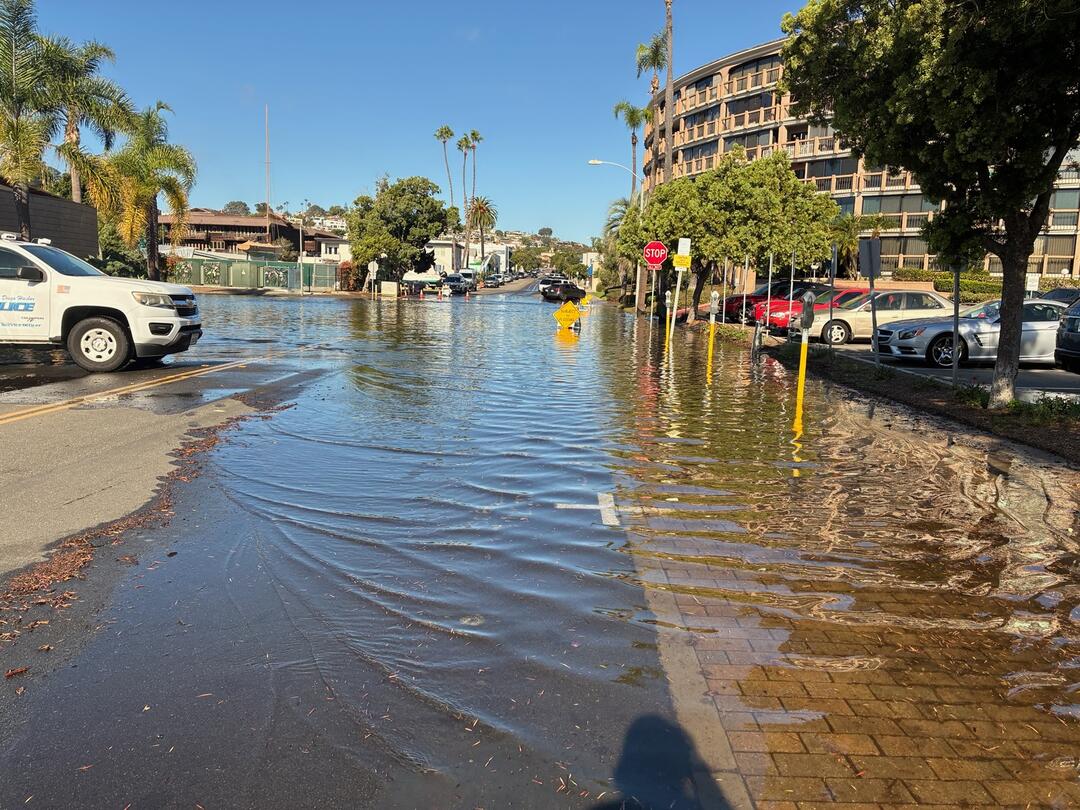
How the Port Prepares for El Niño
- Declared a local emergency to support storm preparedness and response efforts.
- Coordinating with local, regional, state, and federal agencies to enhance readiness and resource sharing.
- Mobilizing resources in advance to help protect public safety, Port assets, and critical operations.
- Implementing measures to support efficient recovery following storm events.
- Conducting proactive storm drain inspections and maintenance to reduce flood risk.
- Clearing debris from drains after every rainy season to maintain proper flow.
- Increasing inspections in areas that are more prone to debris accumulation, such as parks, to help prevent flooding during heavy rain.
Areas Prone to Flooding
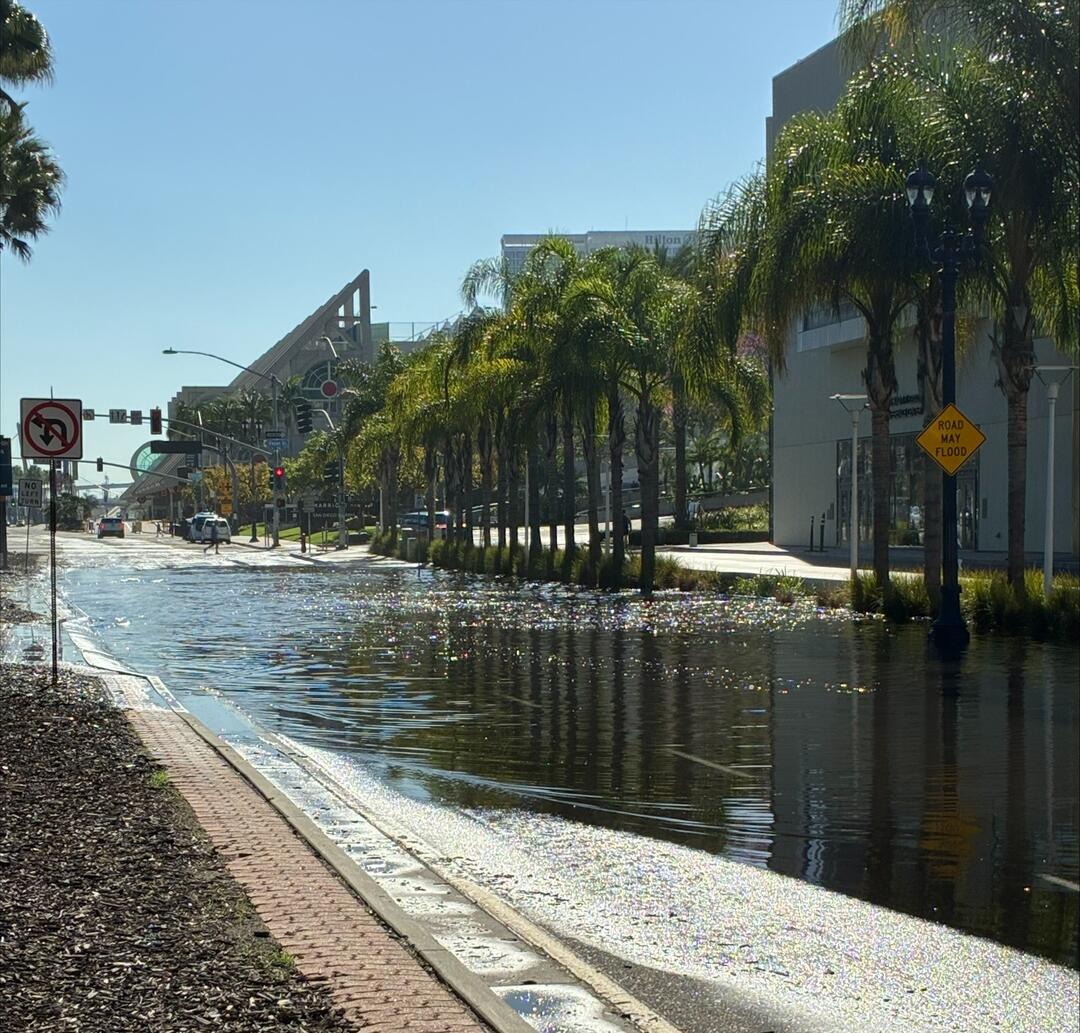
Localized coastal flooding is common during heavy rain events. Outside of forecasted weather events, a combination of King Tides and coastal Kelvin waves (warm ocean currents that temporarily raise sea levels) has caused dry-weather flooding. Some of the bayfront areas most vulnerable to flooding include:
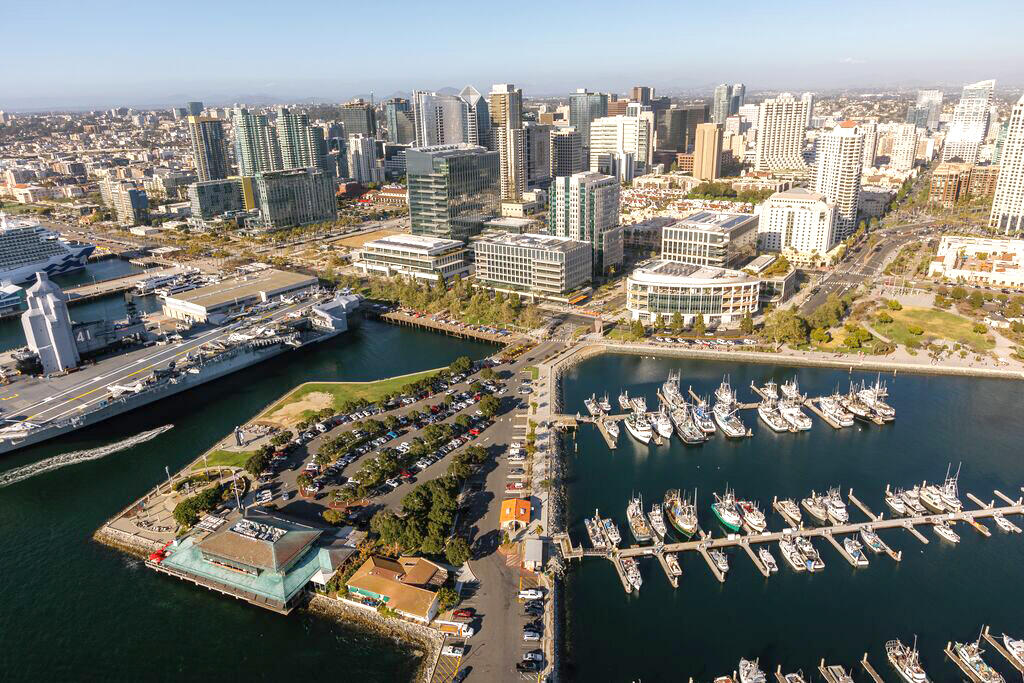
- Embarcadero: North Harbor Drive and Laurel Street; West Harbor Drive and Kettner Boulevard; and West Harbor Drive between Market and Front streets
- Embarcadero Marina Park North: Walkway near the marina and parking lot entrance
- Downtown San Diego: Pacific Highway and Laurel Street
- Point Loma: Anchorage Lane and Canon Street
- Bayshore Bikeway: South San Diego Bay between State Route 75 and Flamingo Trail
Port Tenant Resources
The Port of San Diego is advising its waterfront tenants to stay vigilant and prepare their businesses for extreme weather conditions. Resources like the National Weather Service and local alert systems like Alert San Diego are great ways to stay informed about the conditions ahead.
Safety Best Practices
- Call 911 to report perceived public safety hazards or emergency situations. Be prepared to provide dispatchers with the location and details of what you are observing.
- Exercise caution when traveling along waterfront roadways during high-tide periods.
- Never drive through standing water.
- Allow extra travel time when visiting bayfront destinations during peak high-tide events.
- Follow all posted signs, traffic controls and temporary closures.
- Secure trash and outdoor items and properly dispose of debris to help prevent storm drains from becoming obstructed.
- Report clogged storm drain inlets or hazards around the waterfront to the Port using the Port’s Service Portal at portofsandiego.org/about-port-san-diego/service-portal
- Monitor local weather and tide forecasts via emergency alert services like Alert San Diego before heading to waterfront locations.
Port Member City El Niño Resource Pages
Other Resources
Links open in a new tab.