Port of San Diego Seeks Public Input on Proposed Shellfish and Seaweed Aquaculture Program
Contact: Gabriella Rodriguez, 619.904.2137, grodriguez@portofsandiego.org
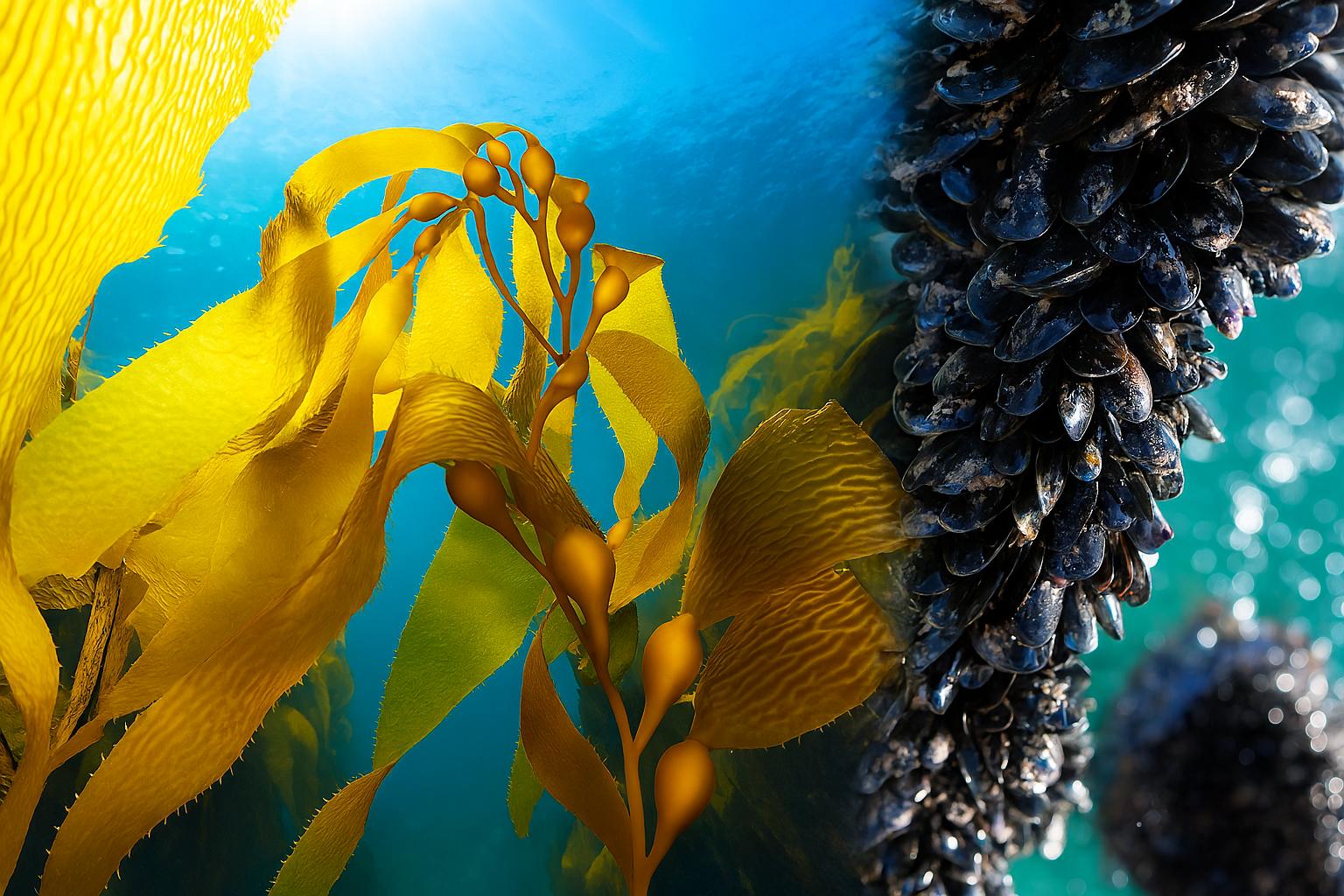
As a part of its mission to advance science and promote the growth of emerging industries with strong potential for job creation, the Port of San Diego is actively advancing aquaculture planning through its proposed Shellfish and Seaweed Aquaculture Program (SSAP). Aquaculture is the cultivation, or farming, of aquatic organisms in marine and fresh-water environments. The Port is looking to exclusively focus on the cultivation of shellfish and seaweed through the SSAP.
As part of this effort, the Port has released a Second Discussion Draft of the proposed program for public and stakeholder feedback for a 45-day review period. The Second Discussion Draft includes an overview of policies, procedures, and best practices the Port would apply when considering future shellfish and seaweed aquaculture proposals for both in-water and land operations.
In August of 2024, the Port released the First Discussion Draft to solicit input on the program. The comments received during public review of the First Discussion Draft demonstrated the need to conduct additional due diligence to adequately address public and stakeholder comments. Port staff and consultants conducted a series of additional detailed technical and spatial analyses, including an in-depth review of submerged aquatic vegetation, shoreline orthoimagery, bathymetric data, oceanographic data, wave height, vessel traffic, and recreational activity. The Port also held focused stakeholder engagement to better understand the feedback received and incorporate it into the program.
The additional analysis informed the development of the Second Discussion Draft, which includes new technical information, reflects public and stakeholder input, and revises the areas under consideration for future landside and in‑water aquaculture. Stakeholder engagement and public feedback on the SSAP are essential to this process and the further refinement of the program. Comments, data and perspectives on potential opportunities or gaps in the Second Discussion Draft are welcome.
After the 45-day comment period closes, Port staff will review the comments and may prepare an updated Draft of the SSAP. Subsequently, the project would be subject to environmental review pursuant to the California Environmental Quality Act (CEQA). During the CEQA process, there will be additional opportunities for stakeholders and the public to provide comments. Comments on the Second SSAP Discussion Draft are being accepted through June 15, 2026. To submit comments on the Second SSAP Discussion Draft, email them to SSAP@portofsandiego.org. For more information on the SSAP, visit portofsandiego.org/aquaculture.
Shellfish and Seaweed Aquaculture
San Diego Bay and surrounding areas have several characteristics supportive of shellfish and seaweed aquaculture, including a temperate climate, proximity to markets, and existing shore-side infrastructure. Shellfish and seaweed aquaculture have the potential to provide sustainable commercial opportunities in multiple areas, including food production, biofuel, bioplastics, and other alternative materials. When properly planned and managed, shellfish and seaweed aquaculture can co-exist with other maritime functions and provide many benefits such as improving water quality, providing habitat enhancement, increasing carbon sequestration, and facilitating ecosystem restoration. San Diego Bay and the surrounding waterfront have the opportunity to support viable shellfish and seaweed aquaculture businesses that also align with the Port’s mission, advance science, support job creation, as well as related economic and environmental benefits for the region.
ABOUT THE PORT OF SAN DIEGO
The Port of San Diego serves the people of California as a specially created district, balancing multiple uses on 34 miles along San Diego Bay spanning five cities. Collecting no tax dollars, the Port manages a diverse portfolio to generate revenues that support vital public services and amenities.
The Port champions Maritime, Waterfront Development, Public Safety, Experiences and Environment, all focused on enriching the relationship people and businesses have with our dynamic waterfront. From cargo and cruise terminals to hotels and restaurants, from marinas to museums, from 23 public parks to countless events, the Port contributes to the region’s prosperity and remarkable way of life on a daily basis.
About Port of San Diego Waterfront Development
Port of San Diego Waterfront Development contributes to the continuous prosperity of the local economy.
From Real Estate to Aquaculture and Blue Tech, the Port invests in major redevelopment and community infrastructure, so businesses in our region have the opportunity to stay competitive in the global marketplace.