
The Port of San Diego Recognizes Ship Carriers for Participation in Vessel Speed Reduction Program
Contact: Josh Kellems, 619.642.1153, jkellems@portofsandiego.org
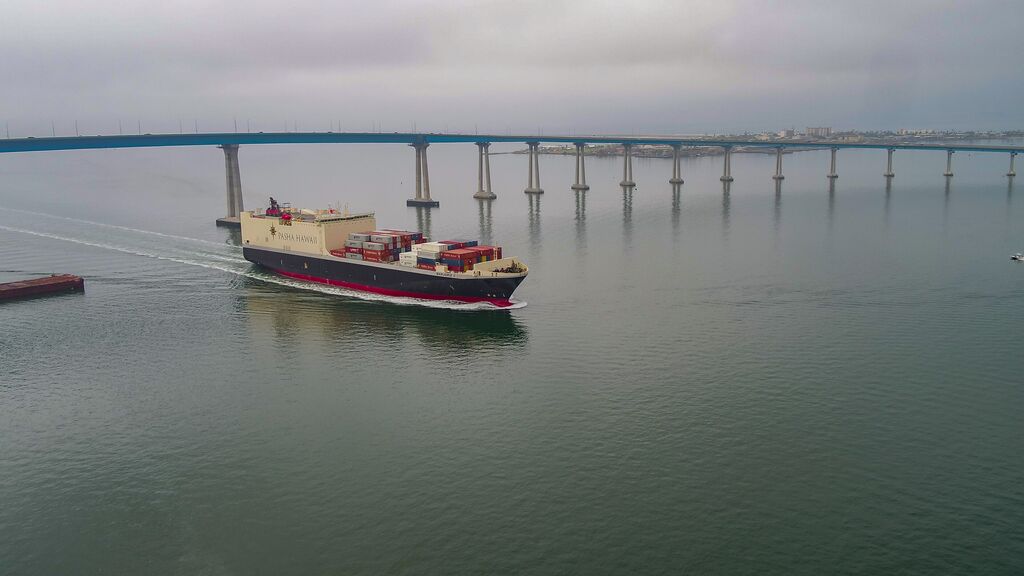
The Port of San Diego is recognizing 24 ship carriers for their participation in the Port’s voluntary Vessel Speed Reduction (VSR) Program, which helps improve air quality and reduces emissions in and around San Diego Bay. When ocean going vessels like cruise ships and cargo carriers slow down as they approach San Diego Bay, they help reduce air emissions, which supports the Port’s environmental goals.
In 2025, the Port’s VSR program achieved a 94 percent compliance rate within 20 nautical miles of the bay and an 81 percent compliance rate within 40 nautical miles. Collectively, participating vessels helped reduce air pollutants and cut approximately 6,500 metric tons of greenhouse gas emissions.
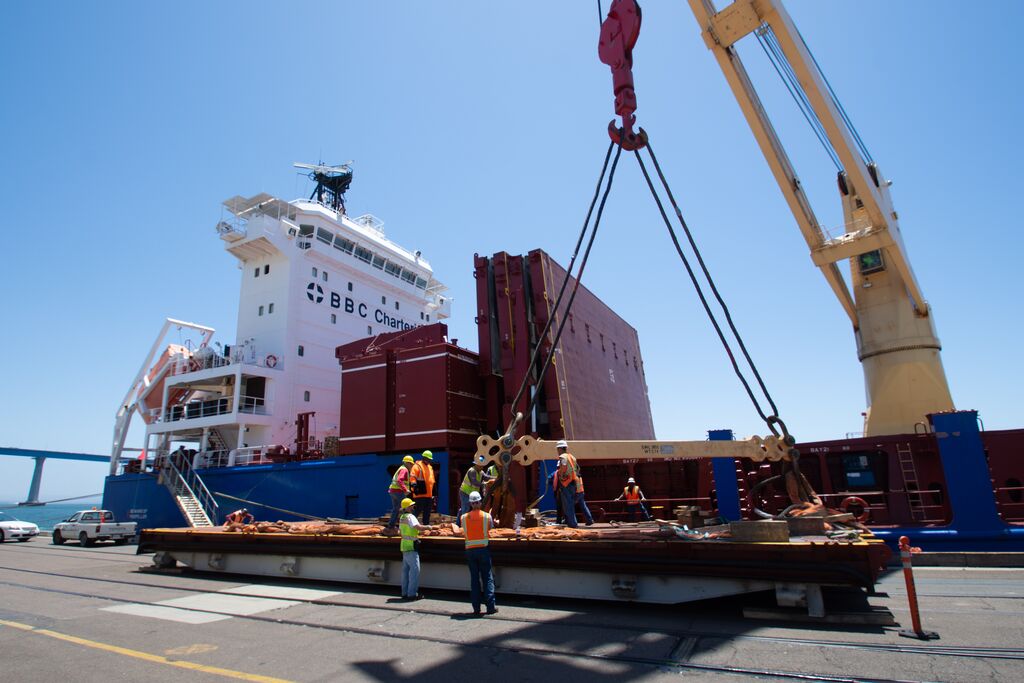
“The success of the Vessel Speed Reduction Program shows what’s possible when industry partners work together to support cleaner air and healthier communities,” said Chair Ann Moore, Port of San Diego Board of Port Commissioners. “We greatly appreciate the carriers participating in this voluntary effort and their continued commitment to the environmental stewardship of the San Diego region.”
The following carriers are recognized for participation within the 20 nautical-mile VSR zone:
-
Dowa
-
Grieg Star
-
Holland America Line
-
Intermarine
-
MOL
-
Pasha Hawaiian Lines
-
U.S. Army
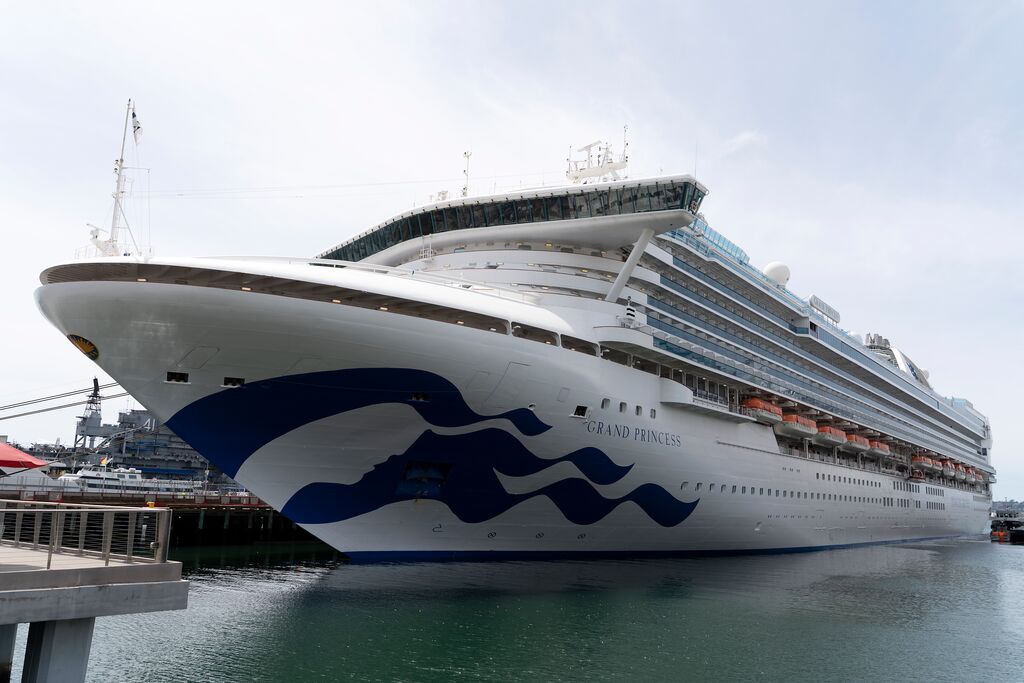
The following carriers are recognized for participation within both 20- and 40-nautical-mile VSR zones:
-
Princess Cruises
-
Paramount Shipping Services
-
BigLift
-
LDC
-
BBC Chartering
-
Dole
-
Liberty Maritime
-
Ben Nevis Shipping
-
CIDO
-
Pacific Basin
-
Zucarmex
-
HMM
-
Silversea
-
Viking
-
NYK Line
-
Disney Cruise Line
-
Canada Steamship Lines
The voluntary Vessel Speed Reduction Program is an objective of the Port’s Maritime Clean Air Strategy to lower the emissions of air pollutants and greenhouse gasses from cargo and cruise ships by reducing speeds in the vicinity of San Diego Bay. Participating cargo vessels are asked to reduce their speed by 12 knots, while participating cruise vessels are asked to reduce their speed by 15 knots.
ABOUT THE PORT OF SAN DIEGO
The Port of San Diego serves the people of California as a specially created district, balancing multiple uses on 34 miles along San Diego Bay spanning five cities. Collecting no tax dollars, the Port manages a diverse portfolio to generate revenues that support vital public services and amenities.
The Port champions Maritime, Waterfront Development, Public Safety, Experiences and Environment, all focused on enriching the relationship people and businesses have with our dynamic waterfront. From cargo and cruise terminals to hotels and restaurants, from marinas to museums, from 23 public parks to countless events, the Port contributes to the region’s prosperity and remarkable way of life on a daily basis.
ABOUT PORT OF SAN DIEGO MARITIME
Port of San Diego Maritime is our gateway to the world—leading our working waterfront and facilitating the movement of goods and people, internationally and domestically.
Port Maritime businesses employ thousands of residents and generate billions of dollars per year for the regional economy, creating a prosperous global economic engine for all.