The Dos and Don’ts of Caulerpa
There’s an invasive species of alga in our beautiful San Diego Bay, and we want to make sure that you’re kept in the loop and informed about the basic do’s and don’ts when you see it.
A Brief Overview of Caulerpa
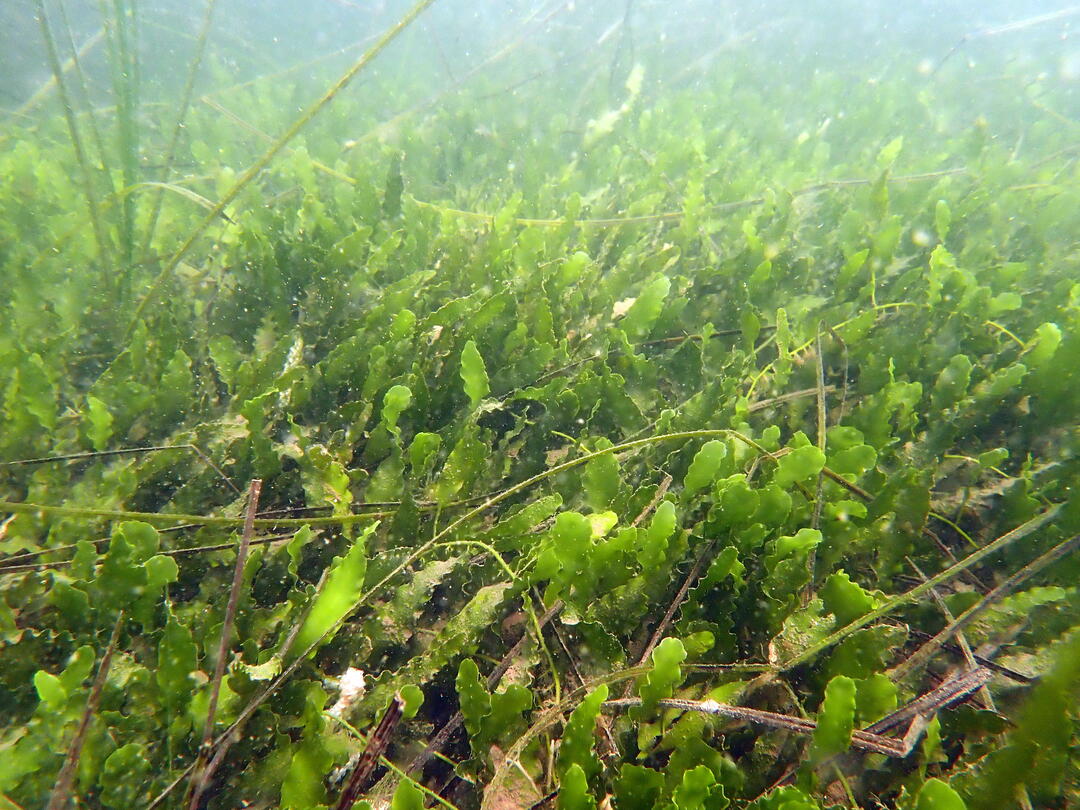
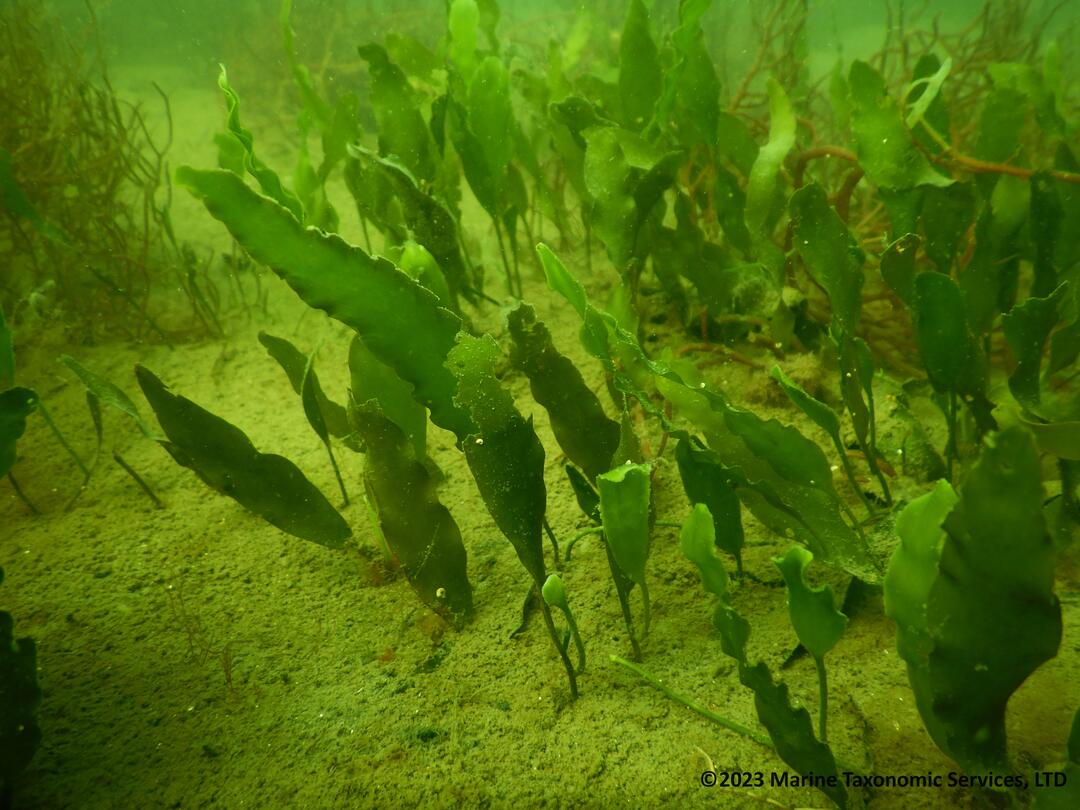
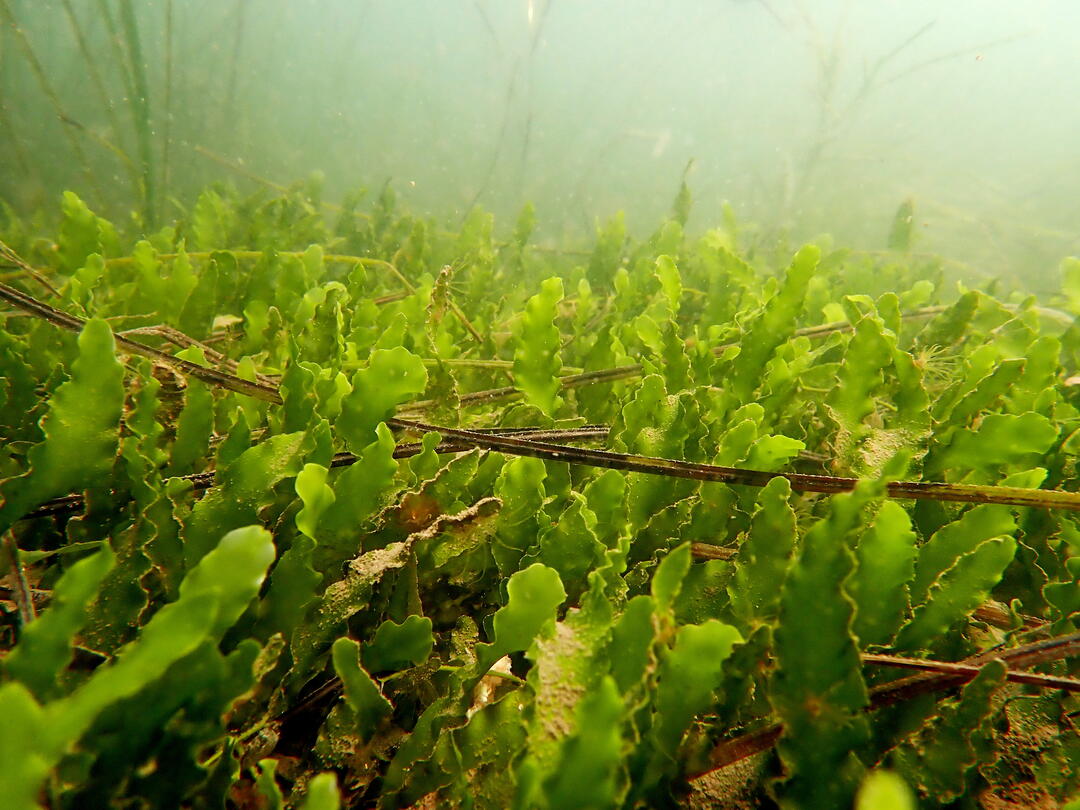
Caulerpa (Caulerpa prolifera) is an invasive species of alga that can grow quickly and spread easily, choking out native seaweeds and seagrasses, potentially harming marine life through lost habitat. It’s invasive nature is a threat to the bay’s precious ecosystems and must be eradicated before it impacts our bay’s native green sea turtles, eelgrass, and other important sea life, including around 70 different fish species that rely on eelgrass habitat.
FYI: We’ve just renewed our emergency declaration to eradicate Caulerpa. Check out our press release for the full story, Port of San Diego Receives $200,000 Grant and Renews Emergency Declaration to Eradicate Invasive Alga.
I’ve Spotted Caulerpa, Now What?
To prevent unintentional spread of this invasive species, boaters, kayakers, swimmers, and divers are asked to avoid infestation areas when possible and to gently pass through at high tide if avoidance is not feasible.
DO NOT touch, collect it or disturb it. Caulerpa can recolonize and spread extremely easily just from tiny fragments.
If you are a boater, diver, or fisherman, inspect your anchor, fishing gear, or nets for Caulerpa that may have been picked up from the bottom – if you see it, DO NOT throw it back in the water. Wrap it up, freeze it, throw it in the trash, and report it.
If you have or sell saltwater aquariums:
DO NOT dump any aquarium species into California waters or even pour the contents down storm drains or into sewer systems or anything that leads to a storm drain which often discharged to the ocean.
DO bleach aquarium water (1/3 cup of bleach per gallon of water for 10 minutes) before dumping bleached aquarium water into a household drain that will lead to a treated sewer system.
DO NOT purchase, share or sell Caulerpa.
DO freeze any suspected Caulerpa and attached substrates for at least 48 hours before disposing it in the garbage.
FYI: It is illegal in California to possess, sell, or transport any Caulerpa (AB 655, 2023). Fines can range from $500 to $10,000 for each violation.
If you’ve spotted Caulerpa, please report it to the California Department of Fish and Wildlife.
Interested in learning more about environmental efforts?
The Port champions the safekeeping and environmental care of our diverse ecosystems through a collaborative network of programs and initiatives. Learn more about them on our Environment page.